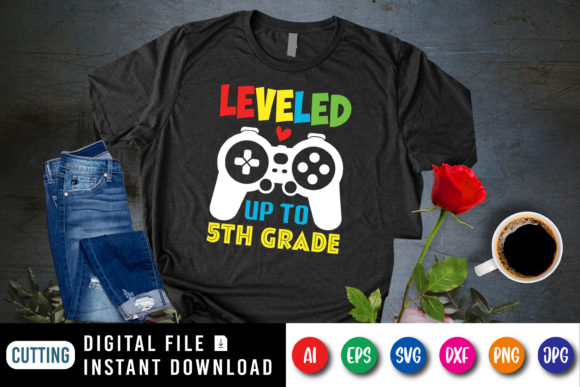
Leveled Up to 5th Grade: More Than a T-Shirt Design, It's a Celebration of Gaming Culture
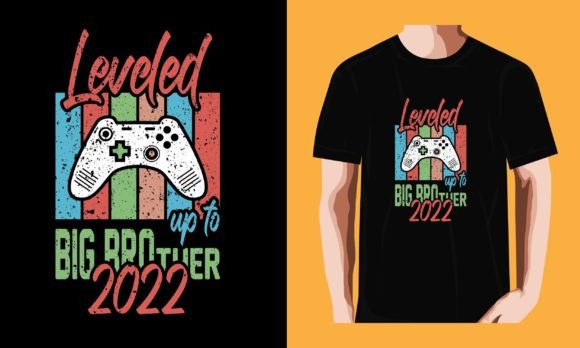
In the vibrant world of gaming, achievements are everything. Whether it’s conquering a challenging boss, unlocking a rare item, or simply reaching a new milestone, gamers live for that moment of progression. This universal feeling of accomplishment is perfectly captured in the popular “Leveled Up to 5th Grade” typographic T-shirt design. But what makes this simple phrase resonate so deeply, and how does it transform from a clever idea into a professional, versatile product for entrepreneurs and fans alike? Let’s explore the journey from concept to wearable art.
The Power of Gaming Typography in Apparel
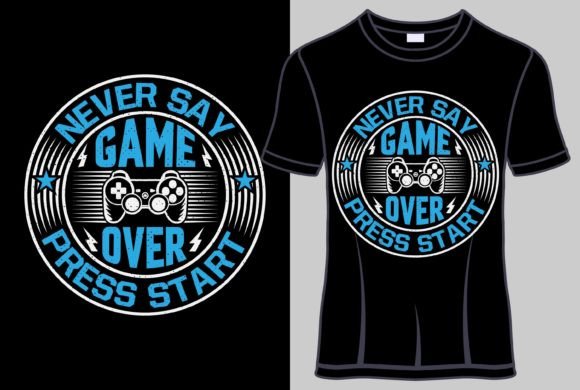
Typography—the art of arranging type—is a cornerstone of graphic design, especially in apparel. In the context of gaming culture, typography does more than just display words; it conveys attitude, identity, and shared experience. Designs like “Leveled Up to 5th Grade” tap into a specific, nostalgic, and humorous vein of the gaming community. It cleverly blends the gaming lexicon of “leveling up” with a milestone from childhood, creating a relatable and witty statement.
For gamers and fans, wearing such a design is a badge of honor. It signals membership in a community that understands the grind, the joy of progress, and the playful blending of virtual and real-world achievements. This is the core purpose of such thematic apparel: to allow individuals to express a facet of their personality and passion in a simple, stylish, and conversation-starting way.
From Idea to Income: The Practical Relevance for Creators and Store Owners
Hello and welcome to the world of T-shirt design as a business. For entrepreneurs on platforms like Teespring, Amazon Merch, or Etsy, a great design is the first critical step. The “Leveled Up to 5th Grade” concept represents a category of designs that are highly marketable because they are niche-specific yet broadly understandable within that niche.
But a good idea alone isn’t enough. The practical relevance for a store owner lies in the execution and technical readiness of the design file. This is where the description of a professional vector design becomes crucial. When a design is advertised as being “Made with 100 vector shapes,” it speaks directly to the needs of a seller. Vector graphics are the industry standard for printable apparel because they are infinitely resizable without losing quality, ensuring crisp prints on any shirt size, from small to XXL.
Decoding the Design Features: What “Ready to Print” Really Means
Let’s build a clearer understanding of the key terms often seen in T-shirt design listings, as they are the blueprint for a successful product.
- Possible and Easy Change Color: A versatile design can adapt to different shirt colors. A design that works on both a dark T-shirt and a white T-shirt increases its marketability. This often means the design file has layers or elements that can be easily modified in design software like Adobe Illustrator.
- 100% Vector Shapes / Resizable: Unlike a pixel-based JPG that can blur when enlarged, a vector graphic uses mathematical paths. This means you can scale it up for a back print or down for a small logo without any loss of detail.
- Ready to Print: This indicates the design is finalized, with proper dimensions and resolution suitable for direct submission to a print-on-demand (POD) service or a local printer.
- 100 Color Changeable: This advanced feature means the designer has built the file with easily editable color groups, allowing you to quickly create multiple color variants of the same design to cater to different customer preferences.
The Significance of Included Source Files: AI, EPS, SVG, DXF, JPG, PNG
For beginners, the list of file formats can be confusing. Each serves a distinct purpose in the apparel business ecosystem:
- AI (Adobe Illustrator) & EPS: These are the primary, editable source files. They allow a designer or store owner to make the fundamental changes mentioned above—color swaps, size adjustments, or even minor composition tweaks.
- SVG & DXF: These are crucial for the growing market of crafters and DIY enthusiasts. SVG files are used by home cutting machines (like Cricut or Silhouette) for creating iron-on vinyl transfers, while DXF files are often used with laser cutters. Offering these makes your design accessible for homemade apparel projects.
- JPG & PNG: These are standard image files. A high-resolution JPG is often used directly by POD platforms for upload. A PNG with a transparent background is essential for mockup creation, allowing you to place the design seamlessly onto different shirt color images in your store listings.
Having this full bundle signifies a professional-grade asset. It empowers the buyer to use the design across multiple platforms and production methods, maximizing its potential return.
Fitting into Modern Business: Print on Demand and Creative Entrepreneurship
The “Leveled Up to 5th Grade” design, and designs like it, are perfectly suited for the modern Print on Demand (POD) model. POD has revolutionized apparel retail. It allows creators to sell custom T-shirts without investing in inventory, warehousing, or complex logistics. You simply upload your design to a platform, set up your online store, and the platform handles production, shipping, and customer service when orders come in.
This model aligns perfectly with today’s trends in e-commerce and creative entrepreneurship. It enables artists, gamers, and niche community members to turn their passion into a side business or a full-time venture. An eye-catching, well-made typographic design is a low-risk, high-potential product in this space. Its significance lies in providing a ready-to-use, high-quality component that reduces the technical barrier for entry for new store owners.
Clarifying a Common Misunderstanding: Design vs. Finished Product
A frequent assumption is that buying a T-shirt design file means you are buying a physical shirt. It’s vital to understand that you are purchasing the digital blueprint—the intellectual property and the technical files—to create and sell the shirt. You are the manufacturer or retailer. The design file is your raw material. This clarifies the business relationship: the designer provides the art; you provide the sales channel, marketing, and customer interface.
Building a Broader Understanding: The Ecosystem of T-Shirt Design
Viewing a single design like this in isolation misses the bigger picture. It exists within a vibrant ecosystem:
- For Gamers and Fans: It’s expressive merchandise.
- For Content Creators & Streamers: It’s potential branded merch for their community.
- For Small Business Owners: It’s a product SKU in their online store.
- For Crafters & Makers: It’s a project for their next homemade gift.
- For Graphic Designers: It’s an example of effective, market-driven typographic design.
Its relevance spans culture, business, technology (through design software and POD platforms), and daily life as a common article of clothing. A successful design connects these dots, serving multiple roles depending on who acquires it and how they use it.
Conclusion: The Journey from Phrase to Product
The “Leveled Up to 5th Grade” T-shirt design is more than just text on a shirt. It is a case study in how a clever idea, rooted in a specific culture, can be developed into a robust, versatile digital asset. It demonstrates the intersection of creativity and commerce in the digital age. For the wearer, it’s a fun statement of identity. For the store owner, it’s a turnkey product bundled with all the necessary tools for success. By understanding the purpose of the design, the significance of its technical features, and its place in the modern POD landscape, anyone—from a gaming enthusiast to an aspiring entrepreneur—can appreciate the true value behind that simple, powerful phrase. So, whether you’re looking to express your passion or start your store, recognizing this depth is your first step to truly leveling up.