The Art and Craft of Digital Designs: From Idea to Printed Product
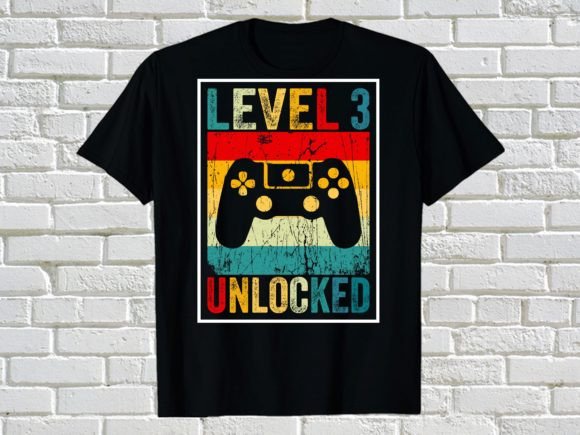
In the vibrant world of custom merchandise, a simple phrase like "LEVEL 3UNLOCKED" or a striking silhouette design can transform a blank t-shirt into a statement piece. This journey from digital file to physical product is a fascinating blend of creativity, technology, and practical craft. For anyone looking to personalize gifts, start a small business, or simply understand how their favorite custom mug was made, grasping the fundamentals of digital design files is the first, crucial level to unlock.
What Are Digital Design Files Really For?
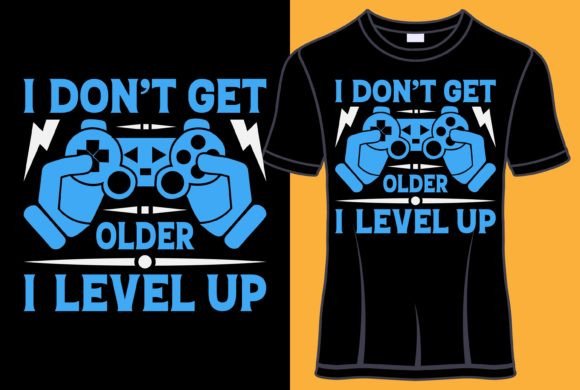
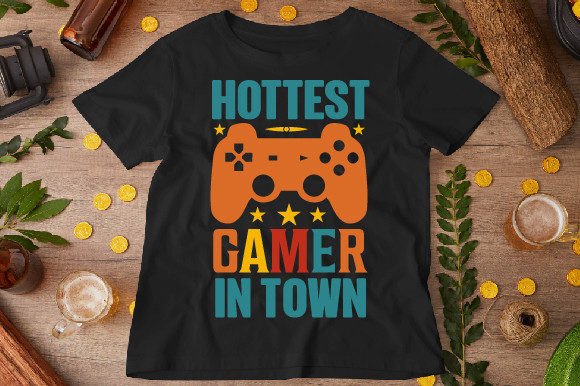
When you see a listing for a "Gaming Level Unlocked T-Shirt Design," it's not just a picture. It's a toolkit. These collections of files—EPS, SVG, PNG, DXF—are the raw materials of modern customization. Their primary purpose is to bridge the gap between a digital idea and a physical object. Unlike a standard image you might print on paper, these files are specially crafted for compatibility with industrial processes and hobbyist equipment, enabling application onto fabrics, ceramics, and other materials.
The significance lies in their versatility and precision. A single purchase can fuel a multitude of projects, from a birthday gift for a gaming friend to a line of products for an online store. They democratize design, allowing individuals without advanced graphic skills to access professional-quality artwork and apply it through various methods.
The Core File Formats: Your Digital Toolkit Explained
Understanding the different file types included in a typical design pack is key to using them effectively.
- EPS (Encapsulated PostScript): This is a vector file standard. Vector graphics are defined by mathematical paths and points, not pixels. This means they can be scaled to any size—from a small mug to a large banner—without any loss of quality or resolution. It's a preferred format for professional printing and cutting.
- SVG (Scalable Vector Graphic): Similar to EPS in its vector nature, SVG is a web-friendly format that is also universally compatible with modern cutting machines and software. Its scalability makes it ideal for projects where size adjustments are frequent.
- PNG (Portable Network Graphics): This is a raster file, meaning it's made of pixels. The provided high-resolution PNG (e.g., 4500×5400 at 300 dpi) ensures a crisp, detailed image when printed directly. The key feature of PNGs is their ability to have a transparent background, allowing the design to be placed over any color material seamlessly.
- DXF (Drawing Exchange Format): This is a specialized vector format primarily for computer-aided design (CAD) and engraving software. It's excellent for machines that etch or engrave designs into wood, metal, or acrylic, translating the design into precise paths for the tool.
A common assumption is that any image file can be used for these purposes. However, a low-resolution JPEG with a white background, for example, would result in a pixelated, boxy-looking print. The provided suite of formats solves these problems, offering the right file for every method.
The Practical Journey: How Designs Move from Screen to Surface
How do these files fit into the actual creation of a t-shirt or mug? The process depends on the chosen application method, each leveraging the design files in a specific way.
Sublimation: Vibrant and Permanent Full-Color Prints
Sublimation is a popular technique for items like mugs, pillows, and polyester-based t-shirts. It uses special dyes that, under heat and pressure, turn from a solid into a gas and bond permanently with the polymer fibers of the material. Here, the high-resolution PNG file is often used. The design is printed onto a special transfer paper using sublimation inks, and then the paper is heat-pressed onto the product. The result is a vibrant, durable print that won't crack or peel.
Vinyl Cutting for Bold Silhouettes and Text
For the classic "silhouette" look—like a crisp, single-color graphic—vinyl cutting is a go-to method. This process uses the vector files (SVG or DXF). A cutting machine, such as those from Cricut or Silhouette, reads the paths in the file and precisely cuts shapes out of colored vinyl sheets. This cut vinyl is then weeded (excess material removed) and transferred onto the fabric using a heat press or an iron. It creates a bold, textured layer on the garment.
Direct-to-Garment Printing and Iron-On Transfers
Direct-to-Garment (DTG) printing is like using a sophisticated inkjet printer directly on a t-shirt. It works best with the PNG file, handling complex colors and details beautifully. For home crafters, printable iron-on transfers are another accessible option. The design is printed onto transfer paper (using a standard printer) and then ironed onto the item. While less durable than professional methods, it's a great for one-off gifts and experiments.
Beyond Apparel: The Expansive World of Applications
The description "any other purposes" is not an exaggeration. The utility of these design packs extends far beyond t-shirts, fitting naturally into various aspects of modern creativity and small business.
- Home Decor and Personalized Gifts: Creating custom pillows, engraved wooden signs for a gaming room, or decorated trays adds a personal touch to living spaces and makes for thoughtful, unique gifts for any occasion.
- Small Business and Entrepreneurship: For someone starting a niche online store—say, focused on gaming culture—these designs provide a ready-made product line. They can be applied to a range of blank products (mugs, totes, phone cases) to create inventory without the cost of hiring a designer.
- Crafting and Community: In scrapbooking or making custom cards and invitations, the PNG files can be used as digital elements. For craft communities, sharing and using these files fosters collaboration and inspiration.
- Educational and Creative Workshops: Understanding this process is a practical entry point into learning about digital fabrication, graphic design principles, and small-scale manufacturing, skills relevant in today's tech-infused world.
The "LEVEL 3UNLOCKED" motif itself is a perfect example. It can symbolize personal achievement, a gaming milestone, or simply a fun, motivational message. Its application isn't confined to a player's shirt; it could be on a mug for a coworker who completed a big project, or engraved on a plaque as a trophy alternative.
Navigating the Process: From Download to Finished Product
For beginners, the technical steps after purchase can seem like another level to conquer. It's a straightforward process:
- Extraction: The files are compressed into a single ZIP folder to make downloading efficient. Using software like WinZIP or WinRAR—or simply double-clicking on modern operating systems—extracts the individual EPS, SVG, PNG, and DXF files to your computer.
- Selection: Choose the right file for your intended method. For vinyl cutting, pick the SVG. For sublimation on a mug, use the PNG. Matching the format to the technique is the most important decision.
- Software Preparation: Import the chosen file into your dedicated software. This could be design software like Adobe Illustrator for professional editing, the software for your cutting machine (e.g., Cricut Design Space), or sublimation printing software.
- Production: Follow the steps for your specific method: send the design to the cutter, print onto transfer paper, or send it to a DTG printer.
A crucial piece of advice is to always check the compatibility of your equipment and software with the provided formats before starting. Most modern hobbyist machines handle SVG and PNG seamlessly, but professional print shops might prefer EPS.
Embracing Creativity and Problem-Solving
The true "level unlocked" in this context is not just about gaming, but about gaining the capability to create. It represents a shift from being a consumer to being a maker. With these digital toolkits, you solve the problem of finding the perfect, specific design for a friend's gift. You address the business need for unique merchandise. You engage in a hands-on, creative activity that blends digital art with tangible craft.
Whether it's for a "special day," a business venture, or a personal hobby, these digital designs serve as a universal key. They unlock the potential of blank products, transforming them into personalized carriers of meaning, humor, identity, or celebration. By understanding the files, the methods, and the vast possibilities, anyone can turn a simple silhouette and a phrase into a wearable, usable, shareable piece of art.