The Power of Play: Board Games and the Art of Connection
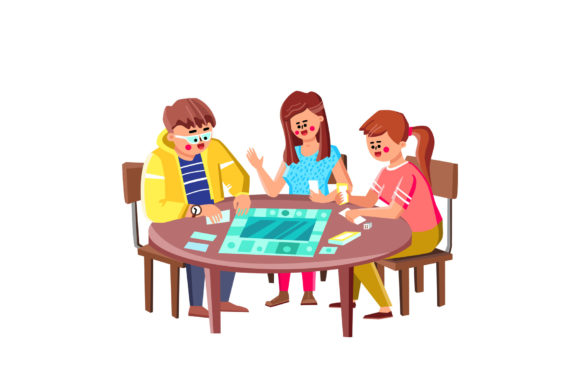
At its heart, the concept of Play Board Games Playing Friends is about more than just moving pieces on a board or drawing a winning card. It represents a fundamental human activity: shared, structured fun that fosters connection, strategy, and laughter. Whether depicted in a playful vector illustration of a man and woman engrossed in a game or experienced in your own living room, this activity is a timeless social engine. It combines competition, cooperation, and conversation into a single, engaging experience that can strengthen bonds and challenge minds.
Why This Simple Act Resonates Across Audiences
What seems like a simple hobby holds different meanings for different people. For a busy professional, it might be a coveted slice of unplugged relaxation. For an educator, it’s a dynamic tool for teaching critical thinking or teamwork. For a marketing team, it could be the inspiration for a campaign centered on community and engagement. The value of Play Board Games Playing Friends isn’t monolithic; it shifts and adapts to the needs and goals of the participants.
This versatility is its greatest strength. The same game night can serve as stress relief, a creative spark, a networking event, or a family learning moment. Understanding how you approach it—whether as a consumer seeking quality entertainment, a creator looking for design inspiration, or a business owner considering team-building activities—can transform how you engage with this classic pastime.
For Beginners and Social Hobbyists: Ease and Enjoyment First
If you’re new to modern board gaming or simply looking for a reliable way to enjoy time with friends, your priorities are likely straightforward. Ease of learning and social enjoyment are paramount. You’re not seeking the most complex strategy game; you want something that facilitates a fun, playful time with minimal friction. Games with clear rules, engaging themes, and a moderate playtime are ideal.
For this audience, evaluating a game often revolves around presentation and the promise of a shared experience. A funny, flat cartoon illustration on the box might perfectly capture the lighthearted mood you’re after. Your goal isn’t mastery, but connection. Before choosing a game, ask yourself: Will this get everyone talking and laughing within thirty minutes? Does it feel inclusive, not intimidating? The right choice here prioritizes friendship over fierce competition.
The Strategic Thinker and Experienced Gamer: Depth and Challenge
For the seasoned enthusiast, the priorities shift dramatically. Strategic depth, reliability of mechanics, and long-term usefulness become key. This player appreciates games that offer rich decision-making, evolving meta-strategies, and high-quality components. They might analyze a game’s balance, its potential for repeated play without becoming stale, and the creativity of its design.
Here, the concept of Play Board Games Playing Friends takes on a more analytical tone. The social element is still crucial, but it's fused with a shared pursuit of tactical excellence. This audience might use a complex strategy game to bond with like-minded friends, turning a weekly game night into a brain-training session and a social anchor. They evaluate games not just as products, but as systems—looking for flexibility, nuanced interaction, and intellectual satisfaction.
Practical Applications Beyond the Table
The imagery of friends playing board games isn’t confined to leisure. Its principles and aesthetic have practical applications in various fields.
Creators and Designers: A Wellspring of Inspiration
For illustrators, graphic designers, or content creators, those vector illustrations of characters enjoying board games are more than just stock art. They represent a visual shorthand for friendship, strategy, and lighthearted competition. This theme can be leveraged in projects aiming to convey teamwork, smart fun, or community. A blogger writing about team dynamics might use such imagery to break down complex concepts into relatable visuals. The priorities here are creativity and commercial value—using the universal appeal of the scene to enhance a message or design.
Educators and Facilitators: Tools for Engagement
In educational or corporate training settings, board games are powerful tools. An educator might use a cooperative game to teach problem-solving or a historical game to make a period more engaging. The priority is learning value and engagement. The game becomes a medium, not just an end. For a freelance facilitator running a workshop, selecting a game involves evaluating how its mechanics mirror real-world scenarios—like resource management or negotiation—and how effectively it can draw participation from all attendees.
Small Business Owners and Marketers: Building Community
A café owner, a local bookstore, or a community center manager might see Play Board Games Playing Friends as an event strategy. Hosting game nights can build regular clientele, foster a local community, and create a unique brand atmosphere. The evaluation is practical: cost of acquiring games, ease of hosting, and the overall experience it provides customers. For a marketer, the associated imagery and concept can be used in campaigns to promote products or services that emphasize smart leisure, family time, or offline connectivity, tapping into a desire for authentic interaction.
Aligning the Activity With Your Personal Goals
How do you know if focusing on board games with friends matches your current needs? It comes down to intent.
- If your primary goal is social bonding and stress relief: Look for games with high interaction, humor, and simple rules. Your metric of success is laughter and conversation, not who won.
- If you seek mental stimulation and strategic growth: Invest in games known for depth and replayability. Your evaluation should consider the game’s complexity and the quality of its design community.
- If you are a professional using the concept creatively: Assess the thematic flexibility of the imagery or the mechanics. Can they be adapted to illustrate your project’s core message about collaboration or planning?
- If you aim to use games for education or team-building: Prioritize games with clear objectives that parallel the skills you wish to teach or encourage. Reliability and ease of explanation are crucial here.
Ultimately, the act of playing board games with friends is a remarkably adaptable social technology. It can be a casual cartoon illustration of fun or a deeply nuanced strategic pursuit. Its value isn’t fixed; it’s defined by the people around the table and their shared purpose. Whether you’re a hobbyist seeking connection, a thinker craving challenge, or a professional drawing inspiration from its universal appeal, recognizing your own priority within this wide spectrum is the first step to a more meaningful and enjoyable experience.