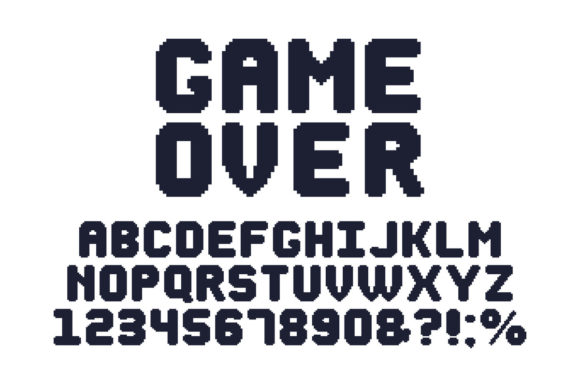
Retro 8 Bit Game Pixel Alphabet: Digital Nostalgia in Vector Form
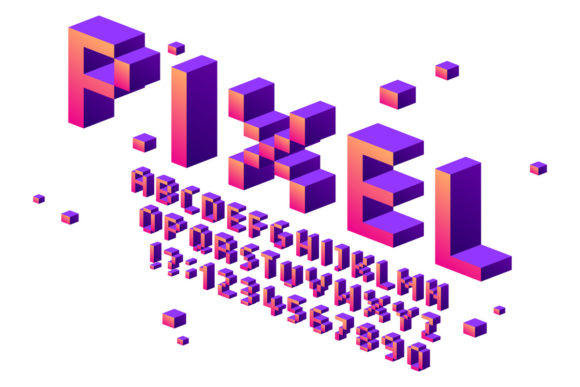
The Retro 8 Bit Game Pixel Alphabet is more than just a font; it's a digital artifact. At its core, it is a vector set of letters and numbers meticulously designed to replicate the distinct typography of classic arcade games and 80s home consoles. This isn't about modern pixel art, but a specific homage to the constrained, blocky, and often colorful characters that populated the screens of our childhoods, from Space Invaders to early Nintendo titles.
Why Does Pixel Typography Still Captivate Us?
The appeal is multifaceted. For many adults, it's a powerful trigger for nostalgia, instantly evoking memories of Saturday mornings spent gaming. Beyond sentiment, this style represents a specific era of digital design where every letter and number was built from a grid of visible pixels due to limited graphical resolution. This constraint bred creativity, resulting in a charmingly imperfect, bold, and highly recognizable aesthetic. In today's world of sleek, infinite-resolution designs, the pixel alphabet stands out precisely because of its raw, digital craftsmanship.
This vector set solves a common creative problem: accessing authentic 80s gaming typography without the painstaking effort of recreating it from scratch. For creators, marketers, and hobbyists, having a ready-made, high-quality asset means they can instantly infuse projects with that retro gaming vibe, saving significant time and ensuring design consistency.
From Pixels to Practical Projects: Where You Can Use It
The applications for a Retro 8 Bit Game Pixel Alphabet are surprisingly broad. Because the provided product file is a high-resolution (6000x4500 pixels) JPEG containing a vector set, its elements are versatile. Using a vector editor like Adobe Illustrator, you can separate, recolor, scale, or edit individual letters without losing quality. This opens up a world of realistic use cases.
Imagine a small business owner running a retro-themed café. They could extract letters from this set to create menus, signage, or social media graphics that perfectly capture the 80s arcade atmosphere. A blogger writing about classic video games could use these pixel letters to design unique header images or featured graphics, making their content visually cohesive with the subject matter. Educators creating presentations on the history of technology or digital art can use these characters to visually anchor their lessons in the 8-bit era.
For digital creators, the uses are endless: YouTube channel art for gaming content, thumbnails, logo elements for indie game developers, merchandise designs for t-shirts or mugs, and even elements in digital scrapbooking or personalized invitations for a gaming-themed party. The pixelated letters and numbers work exceptionally well in any context where you want to communicate fun, retro technology, digital history, or playful geek culture.
Important Considerations Before You Dive In
While the asset is incredibly useful, understanding its format is key. The main file is a JPEG, which is a raster image. However, since it contains vector-designed elements, the recommendation to use a vector editor like Adobe Illustrator for separation and editing is crucial. If you attempt to edit the JPEG directly in a standard photo editor, you'll encounter quality loss when resizing or trying to isolate parts. The workflow is typically to open the JPEG in Illustrator, use tools like the Pen Tool or Image Trace to convert the desired elements into editable vector paths, and then work from there.
Also, consider the stylistic scope. This alphabet embodies a specific 80s gaming typography design. It might not be suitable for every project needing a “retro” look—it’s distinctly digital and arcade-born, not necessarily reminiscent of 50s diners or 70s psychedelia. Its value lies in its authenticity to that computer 8-bit game aesthetic.
Making It Work for Your Audience
When applying this pixel alphabet, think about your audience's familiarity with the reference. For those in their 20s to 50s, the recognition is often immediate and positive. It can add a layer of trustworthy, relatable authenticity to your project because it taps into a shared cultural memory. For a marketing campaign targeting gamers or tech enthusiasts, it signals a understanding of their interests. For a freelancer designing a client's event poster for a retro gaming night, it provides the perfect, ready-made visual language.
Beginner-friendly examples include starting simple: pick a single word, like “SCORE” or “LEVEL,” isolate those letters, and use them as a bold headline on a flyer. You don't need to build a whole alphabet from scratch. The set allows you to treat these digital pixel arcade letters as building blocks, combining them with modern design elements for a balanced, contemporary-nostalgic look.
The Enduring Value of a Pixelated Letter Set
Ultimately, the Retro 8 Bit Game Pixel Alphabet is a bridge between past and present digital design. It packages the iconic visual language of a foundational era in gaming and computing into a usable, professional asset. Its value isn't just in nostalgia; it's in the efficiency and authenticity it offers. Whether you're a professional graphic designer needing quick assets for a client, an entrepreneur branding a niche business, or a hobbyist making a personal project, this vector set empowers you to leverage a beloved aesthetic with precision and ease.
Before choosing to use it, reflect on whether its bold, blocky, and playful character aligns with your message. When it does, it becomes a powerful tool. By following the suggestion to edit it in a vector program, you maintain the quality that makes it special, allowing you to remove backgrounds, change colors, or rearrange elements to suit countless creative, educational, and commercial contexts. In a world of fluid designs, sometimes the most impactful statement is made with a deliberate, nostalgic pixel.