The Strategic Power of the Isometric Pixel Art Arcade Game Retro Alphabet
In a digital landscape saturated with sleek, minimalist design, a tactical retreat to the past can be a forward-thinking move. The Isometric Pixel Art Arcade Game Retro Alphabet is more than a nostalgic novelty; it is a deliberate design system. This collection of vector symbols, built from a cubic typographic foundation, offers a distinct visual language that can cut through contemporary noise and anchor your communication with strategic intent. Its power lies not in random decoration, but in its capacity to evoke specific emotions, establish clear context, and signal a deliberate brand positioning.
Defining Your Visual Vocabulary
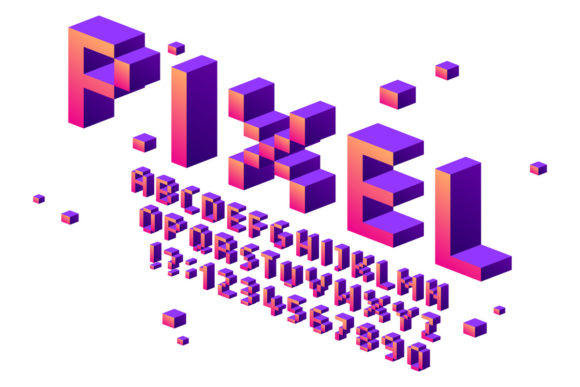
Understanding what this alphabet represents is the first step in leveraging it. The Isometric Pixel Art Arcade Game Retro Alphabet is a cohesive set of characters and numbers designed from a three-dimensional, pixel-based perspective. The "isometric" view provides a pseudo-3D effect, giving each letter and numeral a tangible, cubic volume. The "retro arcade game" inspiration ties it directly to the golden age of gaming—a period associated with challenge, reward, discovery, and uncomplicated fun. This isn't merely a font; it's an encapsulated aesthetic philosophy. When you deploy these isolated symbols, you are importing a ready-made narrative of digital craftsmanship, playful complexity, and a tactile, built-from-blocks authenticity.
Strategic Applications Beyond Nostalgia
The immediate association with gaming is a powerful hook, but the utility of the Isometric Pixel Art Arcade Game Retro Alphabet extends far beyond that sector. Its thoughtful use can support critical business and creative goals across several domains.
- Brand Positioning & Identity: For a tech startup, educational platform, or creative agency, using this alphabet in logos, key graphics, or marketing materials can position you as innovative yet approachable, complex yet fun. It visually communicates that you build systems, solve puzzles, and create engaging digital experiences.
- Enhanced Communication & Learning: In internal documentation, educational content, or public communications, these symbols can act as visual anchors. Their distinct, memorable shapes help categorize information, highlight key metrics (using the pixel numbers), and make dense material more digestible and engaging.
- Product & Customer Experience: Integrating these elements into UI design, packaging, or physical signage for a relevant product can create a cohesive and immersive experience. It signals a product’s personality—one that is interactive, structured, and rewards exploration.
- Operational Creativity: For teams, using this visual style in planning dashboards, project timelines, or brainstorming sessions can foster a more creative and "game-like" approach to problem-solving, making strategic planning feel less like a chore and more like an engaging mission.
Intentional Implementation: A Guide to Thoughtful Use
To avoid superficial deployment, your approach to the Isometric Pixel Art Arcade Game Retro Alphabet must be governed by clear goals. Begin by asking: what emotion or action do I want to elicit? Is it excitement, curiosity, a sense of logical order, or a connection to a specific era? Your answers will dictate where and how you use these symbols.
- Context is King: Use this alphabet where its inherent narrative supports your message. A fintech app might use the pixel numbers in a gamified savings tracker. A coding tutorial platform might use the cubic letters to introduce new programming concepts. The alignment between medium and message creates authenticity.
- Selective Emphasis: Leverage the vector EPS10 file's editability. Do not use the entire set indiscriminately. Isolate a single futuristic pixel letter character as a bold icon for a key feature. Use a sequence of numbers to highlight a critical statistic. Editing and separating elements, as suggested, allows for custom, focused communication.
- Complement, Not Dominate: This alphabet should often act as a strategic accent within a cleaner modern design framework, creating a dynamic contrast. A full interface rendered in this style could be overwhelming; a key headline, button, or data visualization using it becomes a powerful focal point.
Planning for Long-Term Value
Consider the longevity of your assets. The provided vector file is your strategic tool. Its scalability and editability mean the Isometric Pixel Art Arcade Game Retro Alphabet can evolve with your needs. You can adjust colors to match brand updates, extract symbols for new campaigns, or even modify characters over time as your own story develops. This makes it a resource for sustained, adaptable branding rather than a one-off graphic.
Risks and Considerations: Avoiding Tactical Errors
Without clear goals, this distinctive style can backfire. The primary risk is misalignment. Applying a retro gaming aesthetic to a message that requires solemnity or extreme professionalism can confuse your audience and damage credibility. It might be read as frivolous or immature. Another consideration is overuse, which can lead to visual clutter and dilute the very impact you seek. Furthermore, relying on it as a crutch for lacking substance—using style to mask an unclear offer—is a fundamental strategic error. The alphabet should amplify a solid core message, not substitute for one.
Before committing, audit your overall visual strategy. Does the Isometric Pixel Art Arcade Game Retro Alphabet integrate coherently? Will it resonate with your specific audience, including professionals and decision-makers who may value clever, structured design? Test it in small, measured ways before a full-scale rollout.
Moving from Random to Intentional
The shift from seeing this as a cool graphic to treating it as a strategic asset is crucial. Intentional use means every deployment is answerable to a "why." Why this letter here? Why this number now? For example, a business coach might use the cubic typographic lettering for the title of a "Level Up" leadership program, instantly framing the course as a progressive, milestone-driven journey. A marketer might use the isolated pixel symbols in a campaign analytics report to visually "score" performance metrics, making data review more engaging.
The ultimate goal is to harness the predefined emotional resonance and structural clarity of the Isometric Pixel Art Arcade Game Retro Alphabet to serve your unique objectives. When its crafted retro-futurism aligns with your forward-looking plans, it ceases to be a mere aesthetic choice. It becomes a thoughtful component of your communication architecture, helping you build recognizable, engaging, and strategically grounded experiences that achieve better, more memorable results.