The Utility and Versatility of Premium Device Vector Graphics
In the modern creative workflow, speed, quality, and adaptability are paramount. You often need a visual element that can scale from a tiny social media icon to a massive billboard, that can be tweaked to fit a brand’s unique palette, and that integrates seamlessly into your design software. This is where a well-crafted collection of electric device vector graphics becomes an indispensable asset. Rather than scouring stock sites for low-resolution, rigid images, having a set like this—featuring laptops, desktops, gaming pads, and other iron electric devices—in multiple vector formats is like having a toolbox of perfect, malleable parts.
The visual characteristics of these vectors are defined by their precision and clarity. Created as 100 separate vector files at a high resolution of 300 DPI, each illustration maintains sharp, clean lines even at extreme sizes. The RGB color mode ensures they are ready for vibrant digital applications, while the generous 2500x2500 pixel base size provides enormous flexibility. The style is typically modern and schematic, often with a slightly tech-oriented or utilitarian aesthetic that communicates functionality. Their overall appeal lies in their neutrality; they are designed to be customized, serving as a foundational visual rather than a finished piece with overwhelming stylistic flair.
Where These Vector Assets Excel in Real-World Projects
Think of these vectors as your go-to visual shorthand for technology, work, gaming, or productivity. For designers and brand strategists, they are perfect for creating logos or icon sets for tech startups, software companies, or gaming brands. The inherent scalability of the AI, EPS, and SVG files means the same graphic can be used for a website’s favicon and a printed trade show banner without any loss of quality. Marketers and content creators can quickly incorporate them into blog graphics, infographics about digital trends, or YouTube video thumbnails to visually anchor the topic.
Entrepreneurs and small business owners crafting their own marketing materials will find the quick and easy customization a major benefit. Changing the color of a laptop vector to match your brand’s accent color in Illustrator is a matter of seconds. For publishers and bloggers, these graphics can enhance editorial design in digital magazines or e-books, providing clean, professional illustrations for articles on hardware reviews, office setup guides, or the future of computing. Even crafters and hobbyists creating custom merchandise, like t-shirts or mugs with a tech theme, can use the high-resolution JPEG or PNG outputs for their production files.
Building Cohesion and Professionalism with Consistent Visuals
One of the most underrated values of a cohesive vector asset pack is its ability to enforce visual consistency. When you use the same stylized laptop graphic across your website, your presentation decks, and your product brochures, you build subtle but powerful brand recognition. This consistency directly influences professionalism; it signals that your visuals are considered and intentional, not haphazardly pulled from disparate sources. For audience engagement, clean, recognizable graphics aid in comprehension and create a more polished user experience, whether in an app interface or a marketing email.
The influence on brand perception is significant. Using sharp, well-designed vector graphics, rather than cliché or low-quality stock photos, positions a brand as contemporary and attentive to detail. It helps establish a visual hierarchy in layouts by providing clear, focal elements that don’t compete with text. Ultimately, these assets become part of your design ecosystem, saving you time and elevating the baseline quality of all your visual outputs.
Practical Guidance for Selecting and Using Vector Collections
When evaluating a pack like this, the first consideration is project fit. Does the style of the illustrations align with the tone you need? While these electric device vectors are versatile, they lean towards a clean, modern typography and design aesthetic. They might not suit a vintage or overly ornate brand identity. Next, review the included file formats critically. The presence of AI (Adobe Illustrator 10), EPS, JPEG, PNG, and SVG covers nearly every scenario from professional print work (EPS) to web development (SVG) and quick placements (PNG).
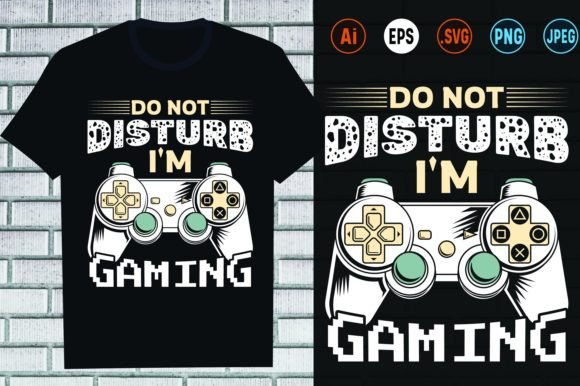
Testing is straightforward. Open the AI or EPS file in your vector software and experiment. Change colors, combine elements (like placing a gaming pad vector next to a desktop), or extract individual components. This hands-on trial reveals how easily they can be integrated into your workflow. For font pairing, since these are often used alongside text, consider clean sans serif fonts for body copy to match the vectors’ modern clarity, or a bold display font for headlines to create dynamic contrast.
Readibility considerations come into play when using these graphics alongside text. Ensure they are sized and positioned to support the content, not overwhelm it. In editorial design or web design, use them as supportive icons or illustrative breaks, not as central artwork that dominates the page. Finally, always verify the commercial licensing. A pack described as having 100 vector files for quick and easy customization should typically allow use in personal and commercial projects, but confirming this avoids future complications. These are not just creative fonts or decorative elements; they are foundational design assets that, when chosen wisely, can streamline your process and strengthen your visual communication for years to come.